

Four Days on Safari in St Lucia, South Africa
This post was written in English.
Wildlife, wilderness and wonderful encounters in the heart of Zululand
When I arrived in Richards Bay, I was looking forward to exploring the wildlife and natural beauty of this part of South Africa. And I wasn’t the only sailor with that idea. Several other sailors had also made their way to St Lucia, and it was lovely to spend several days together, sharing experiences both on and off the water.
Together with Heritage Tours & Safaris, we set out to discover the surrounding wilderness. Our programme took us from a boat cruise on the St Lucia Estuary, to the savannah and wetlands of iSimangaliso, the vast landscapes of Hluhluwe-Imfolozi, and finally into the world of the Zulu people.
Four days, different landscapes, fascinating wildlife, knowledgeable guides, good food and nice company. Each day brought something new.
1. Hippos and the St Lucia Estuary
Our safari adventure began with a boat cruise on the St Lucia Estuary.
The estuary is an extraordinary ecosystem where freshwater and seawater meet, supporting an abundance of wildlife.
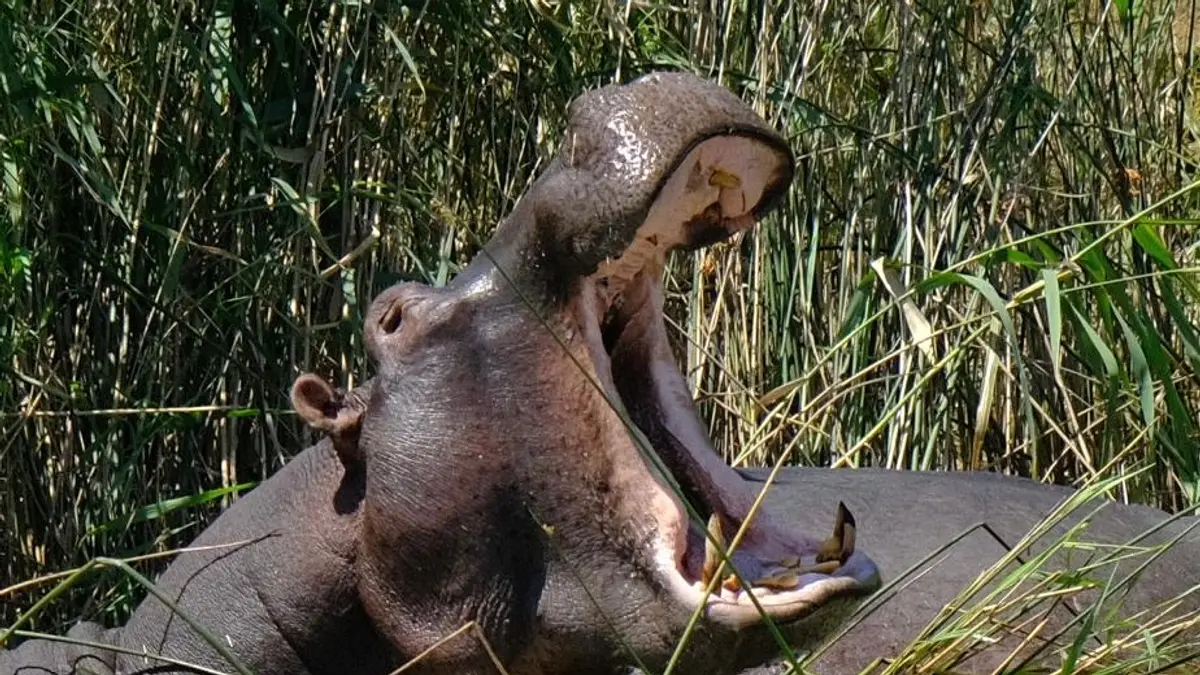
From the boat, we came remarkably close to groups of hippos resting in the water. These enormous animals may look rather peaceful, but their size and reputation certainly make you respect the distance between the boat and the water’s edge.
We watched the adult hippos resting quietly in the water, while the younger ones were much more playful, splashing around and interacting with each other. It was lovely to see the contrast between the relaxed adults and the curious, energetic youngsters.
Hippos spend much of the day in the water to keep cool and protect their sensitive skin from the sun. But here’s something quite remarkable: despite spending so much time in the water, hippos cannot actually swim or float! Their bodies are simply too heavy and dense. Instead, they walk, run or push themselves along the riverbed, almost as if they are bouncing in slow motion. When resting, they can settle on the bottom with their legs folded beneath their bodies.
They are also remarkably well adapted to life underwater. Their nostrils and ears close automatically when they submerge, and they can hold their breath for around five minutes. Even more fascinating, they can sleep underwater. An automatic reflex brings them back to the surface to breathe, without them even waking up, before they sink back down again.
Watching these enormous animals seemingly dozing away, while the young ones played around them, gave us a lovely glimpse into their social life. A fascinating start to our safari adventure.
2. Exploring iSimangaliso Wetland Park
Our next adventure took us into iSimangaliso Wetland Park, a remarkable protected area with a variety of landscapes, from coastal forests and grasslands to wetlands and lakes.
One of the things that makes this park so special is the diversity of its wildlife. You never quite know what might appear around the next corner.
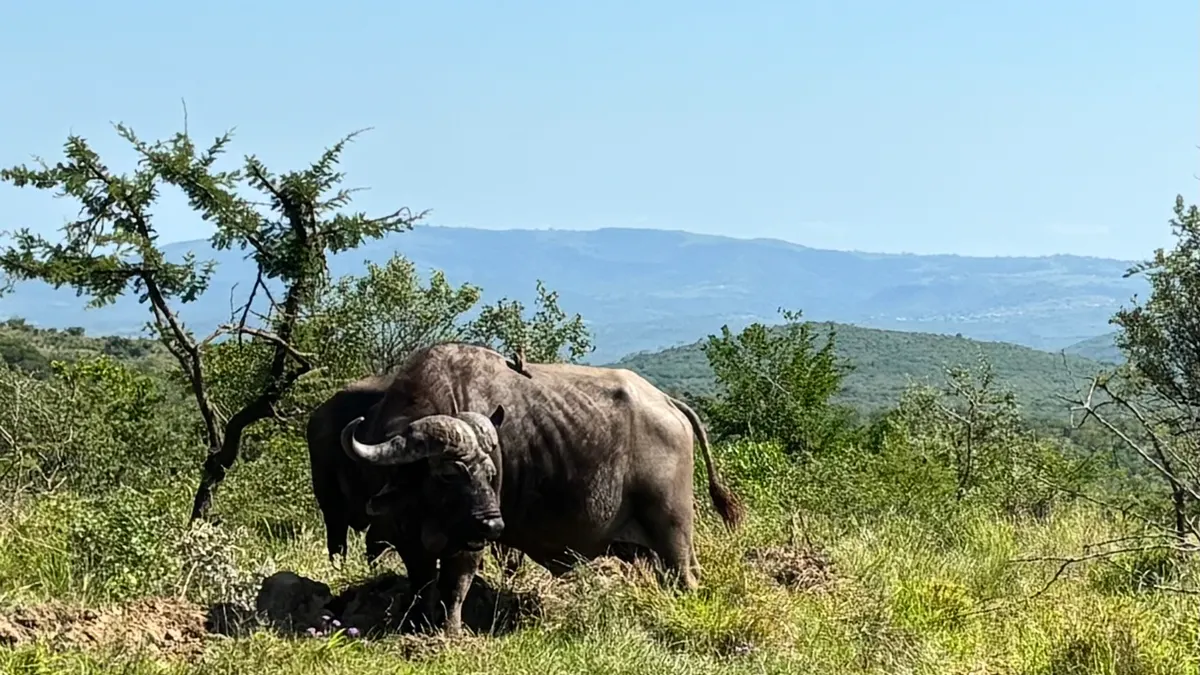
We spotted zebras and warthogs with their little piglets. We also came across a group of buffaloes wallowing in the mud. Covered in a thick layer of mud, they seemed perfectly happy to spend their time cooling off. The mud also helps protect their skin from the sun and biting insects.
The birdlife was particularly interesting. We spotted African hoopoes, with their distinctive crests, and a Burchell’s coucal. We also saw a bird of prey carrying a snake. There was always something moving, flying or calling somewhere in the bush.
And it wasn’t just the larger animals that caught our attention. We watched dung beetles flying around, busy with their rather unusual occupation. These little creatures play an important role in the ecosystem, helping to recycle animal dung, return nutrients to the soil and even disperse seeds. Not perhaps the most glamorous safari stars, but certainly some of the hardest workers!
We also learned about smaller creatures, including the southern dwarf chameleon. These tiny reptiles are masters of camouflage, blending in with the leaves and branches around them. They can change colour to help regulate their body temperature and communicate, although camouflage remains one of their most useful tricks for avoiding predators.
Our guide Terry helped us recognise and understand the animals we encountered. It was a reminder that a safari is not just about spotting the big and impressive animals. There is an entire world of fascinating little creatures that you might easily miss if you don’t know where to look.
Later, we headed out for a sunset safari. Unfortunately, the weather wasn’t quite on our side. The sky was rather cloudy, so the spectacular sunset we had hoped for never materialised. Nevertheless, the views across the landscape were beautiful, and it was another opportunity to experience the park in a different light.
3. A Full Day in Hluhluwe-Imfolozi Park
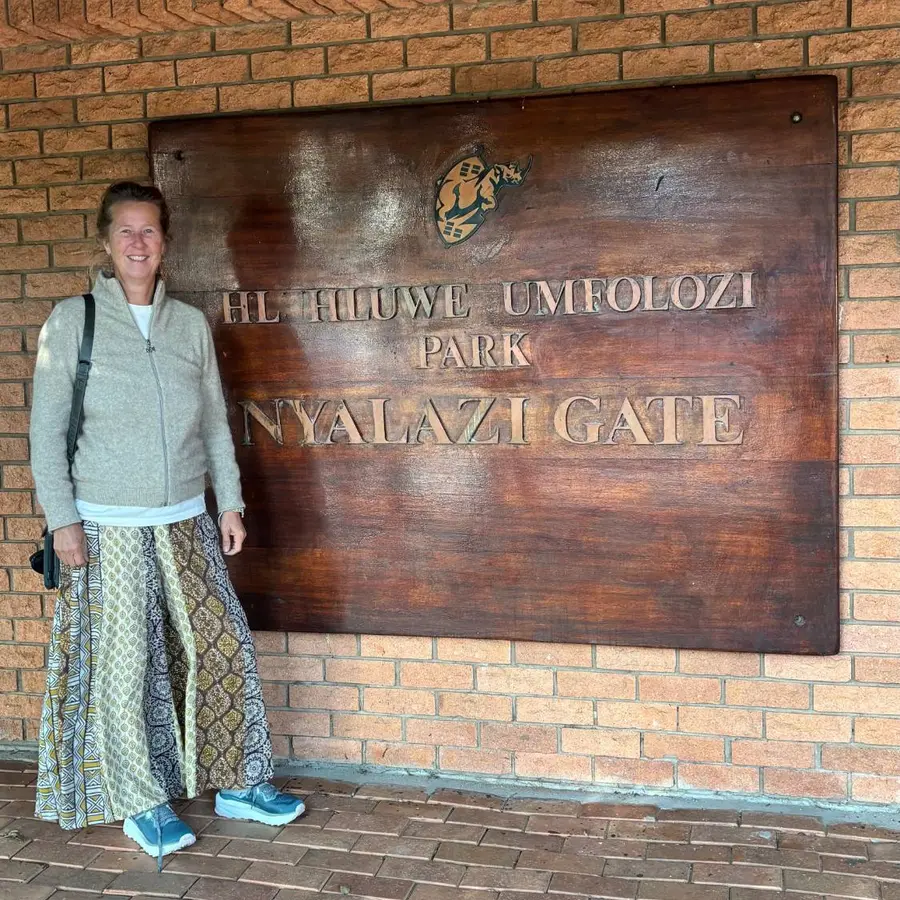
Another highlight was our full-day safari into Hluhluwe-Imfolozi Park, one of Africa’s oldest proclaimed game reserves.
This is Big Five country, home to lions, leopards, elephants, buffaloes and rhinos. We managed to spot three of the Big Five during our day. No lions or leopards this time, but that really wasn’t what mattered. We saw so much along the way, and every encounter added something special to the day.
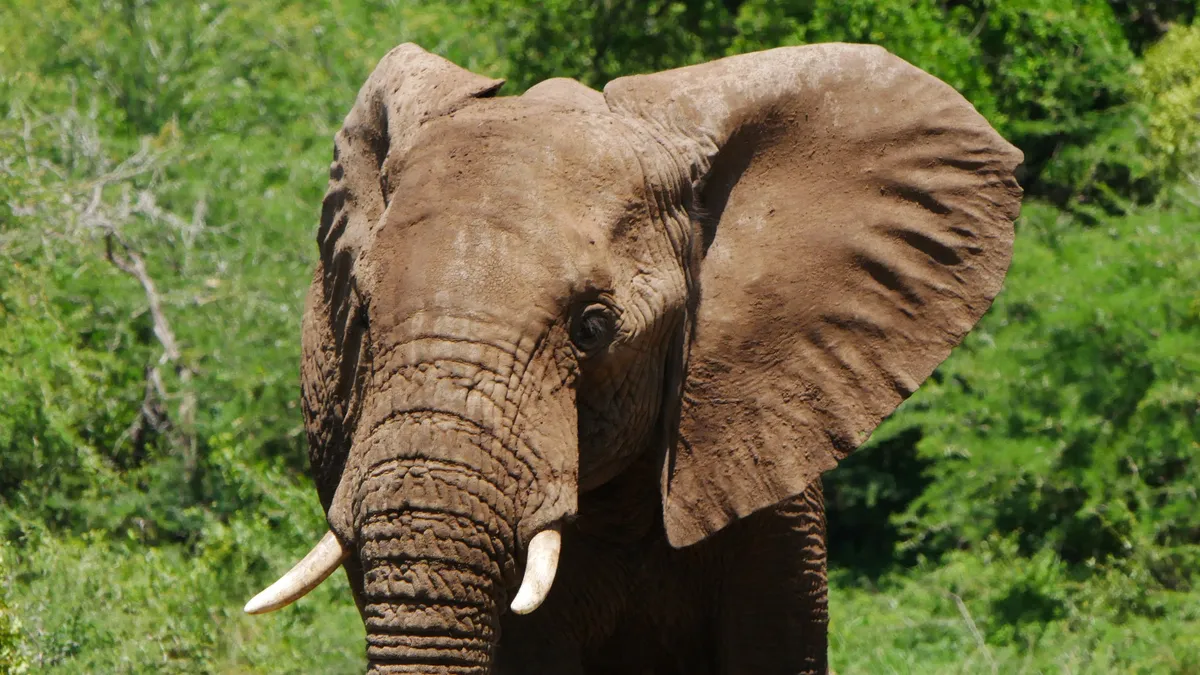
As we explored the park, elephants were among the animals we encountered. Seeing these impressive giants in their natural surroundings never gets old. There were also plenty of zebras grazing in the open landscape, while impalas appeared along the way, often keeping a watchful eye on their surroundings. Each turn in the road seemed to offer another opportunity to spot something interesting.
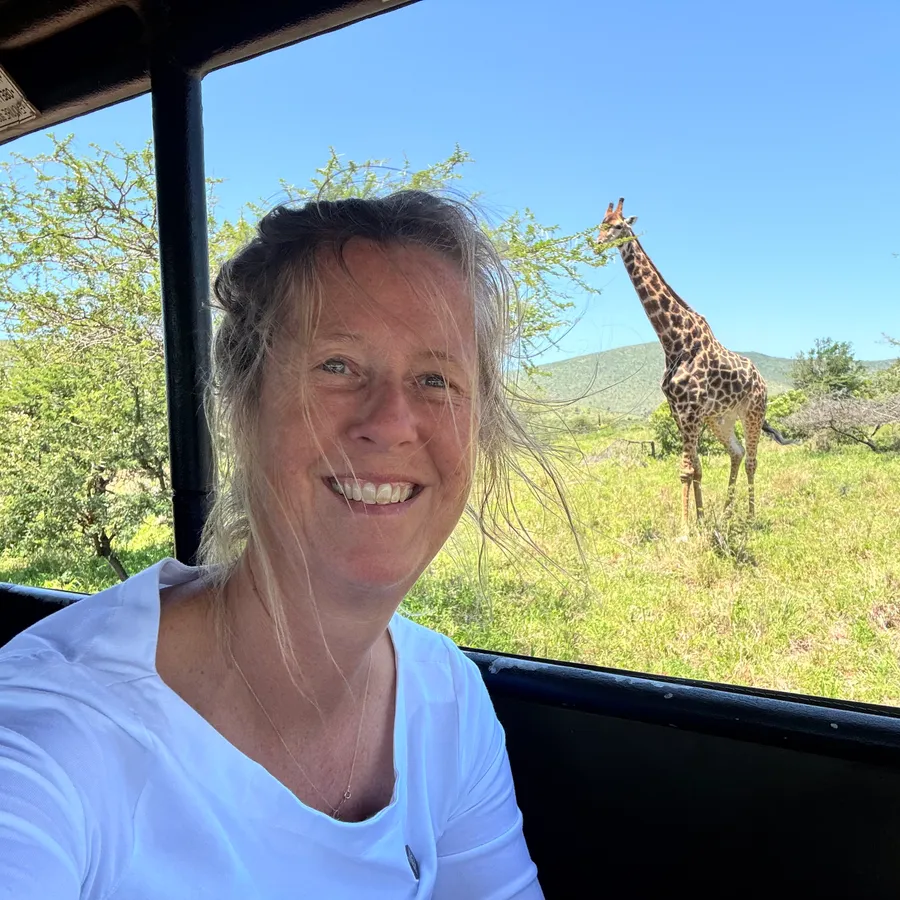
We also encountered giraffes, including a particularly lovely moment when I managed to get a photograph with one of them. Standing so close to these graceful giants gives you a completely different appreciation of just how tall they really are.
But the most exciting encounter was undoubtedly with three rhinos. They approached our open safari vehicle and came to within just five metres. Their ears were moving back and forth as they listened to the sounds around them. We all sat completely still, waiting quietly until they eventually decided to move on. It was quite a moment!
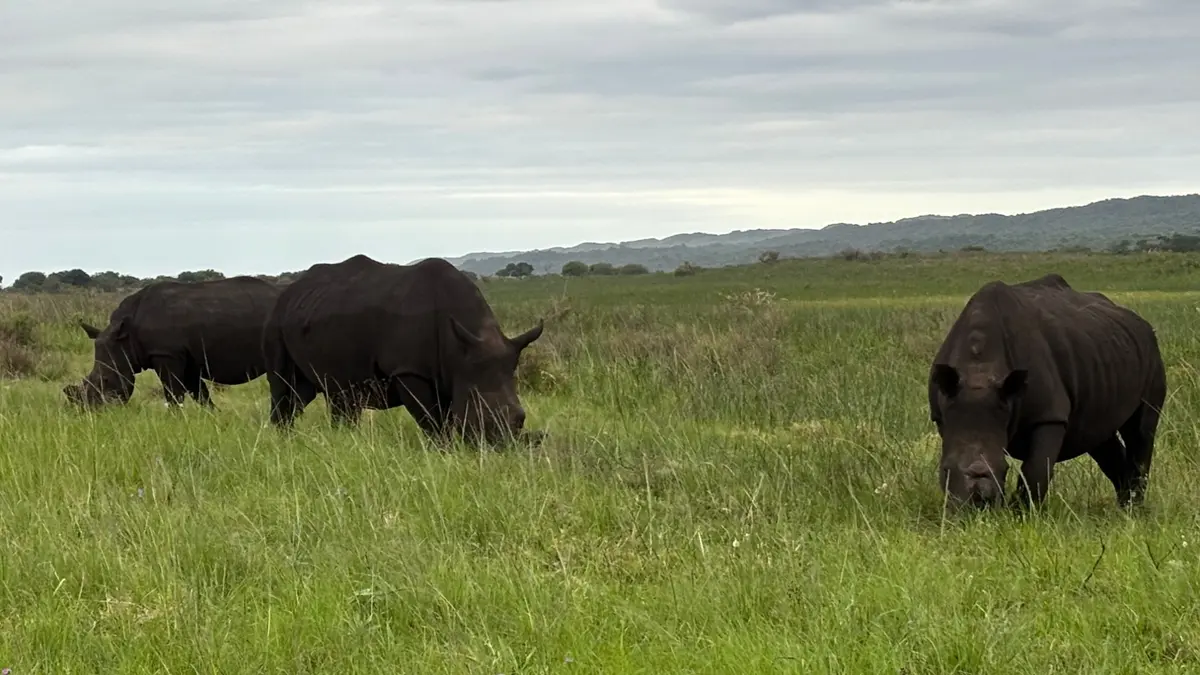
We were reminded that we were visitors in their territory, and that sometimes the best thing to do is simply stay quiet and observe.
Although we didn’t see lions or leopards, we had certainly experienced plenty of wildlife. It wasn’t about ticking off the Big Five. The variety of animals, the beautiful landscape and the unexpected encounters made the day special in their own right.
Lunch was an experience in itself. We stopped for a barbecue in the park, surrounded by the sounds and sights of the African bush.
We were certainly not alone. Monkeys were everywhere, and some of them regularly managed to find their way into our vehicles. They were clearly very familiar with the opportunities offered by safari lunches!
By the end of the day, we had seen and experienced so much. It was one of those days when you realise that a safari is about far more than the animals you manage to spot. It is about being out there, sharing the excitement, taking in the landscape and enjoying all the unexpected encounters along the way.
4. A Different Perspective: Discovering Zulu Culture
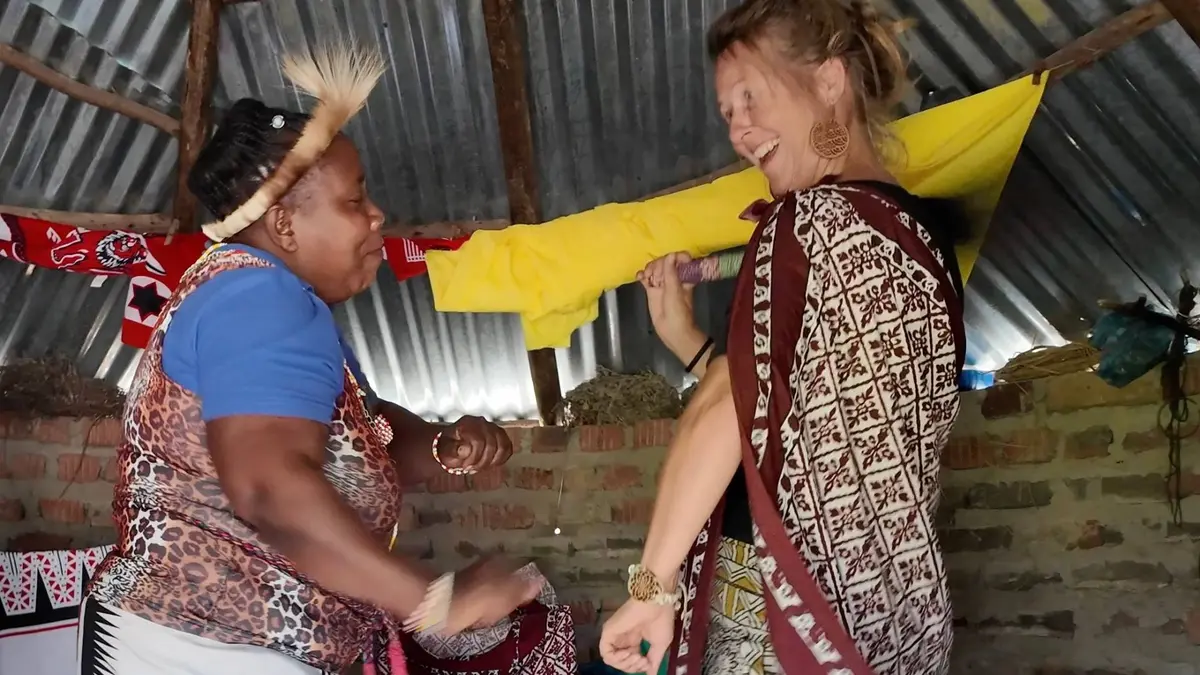
Safari is not only about wildlife. One of the most interesting experiences of these days was our Zulu cultural tour.
Our female guide Mpume gave us a personal insight into the traditions and everyday life of her community. She spoke openly about balancing respect for tradition with the opportunities available to women today.
Her own story was particularly interesting. She had chosen to pursue a university education while continuing to honour her cultural heritage. As a guide, she also uses her knowledge to educate and encourage young women in her community.
We met the female healer of the group and learned about traditional practices, beliefs and customs.
It was a valuable opportunity to see another side of life in KwaZulu-Natal, beyond the landscapes and wildlife that usually attract visitors.
And the experience ended on a wonderfully interactive note: we were invited to join in the dancing!
It was a lovely way to connect with the people and culture of this region. The personal stories made this experience particularly memorable. It is one thing to read about a culture, but quite another to hear someone share her own experiences and perspective.
5. The Cheetah Reserve – A Final Encounter
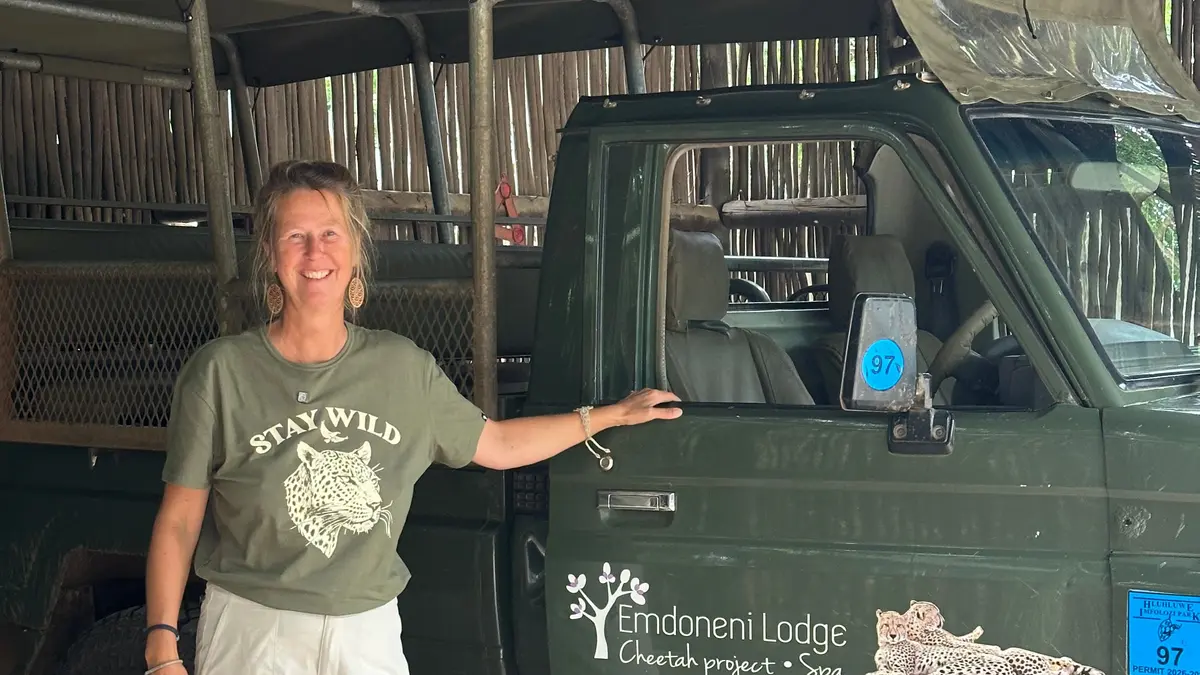
For our final day, we visited the Emdoneni Cat Rehabilitation Centre near Hluhluwe. This was a slightly different kind of wildlife experience, as the focus here is not simply on observing animals, but on helping to protect some of South Africa’s wild cat species.
The centre works with four species: cheetahs, servals, caracals and African wildcats. Some of these animals arrive as orphans or have been injured and need care and rehabilitation. Others are part of breeding programmes aimed at helping to maintain healthy populations.
What I particularly liked about the project is that its main ambition is to return animals to the wild wherever possible. The centre keeps breeding pairs and animals that cannot be released, while their offspring are raised with the intention of eventually returning them to suitable natural habitats. This work is carried out in cooperation with conservation authorities and wildlife reserves.
It is important work, as all four species face different challenges in the wild. Habitat loss, human-wildlife conflict, hunting and other pressures threaten their survival. For example, servals and caracals can be killed by farmers because they are sometimes seen as a threat to livestock. Cheetahs face habitat loss and conflict with people, among other challenges.
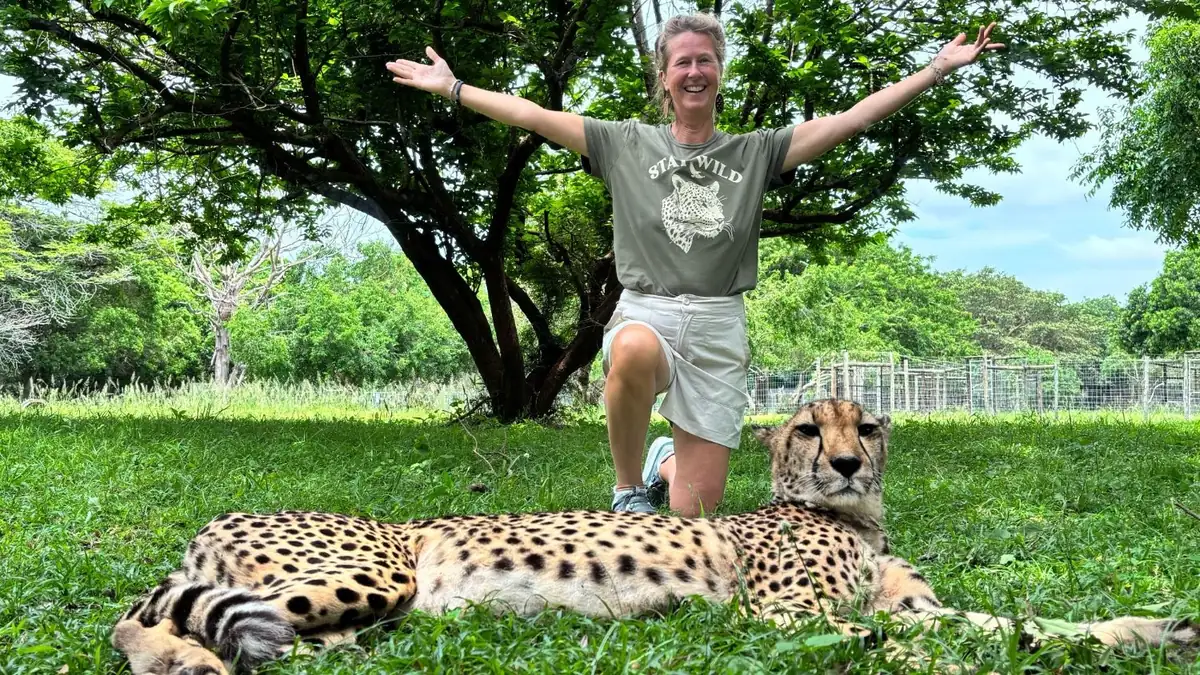
And of course, we also had the opportunity to get close to a cheetah and take a photograph together. Quite a special experience!
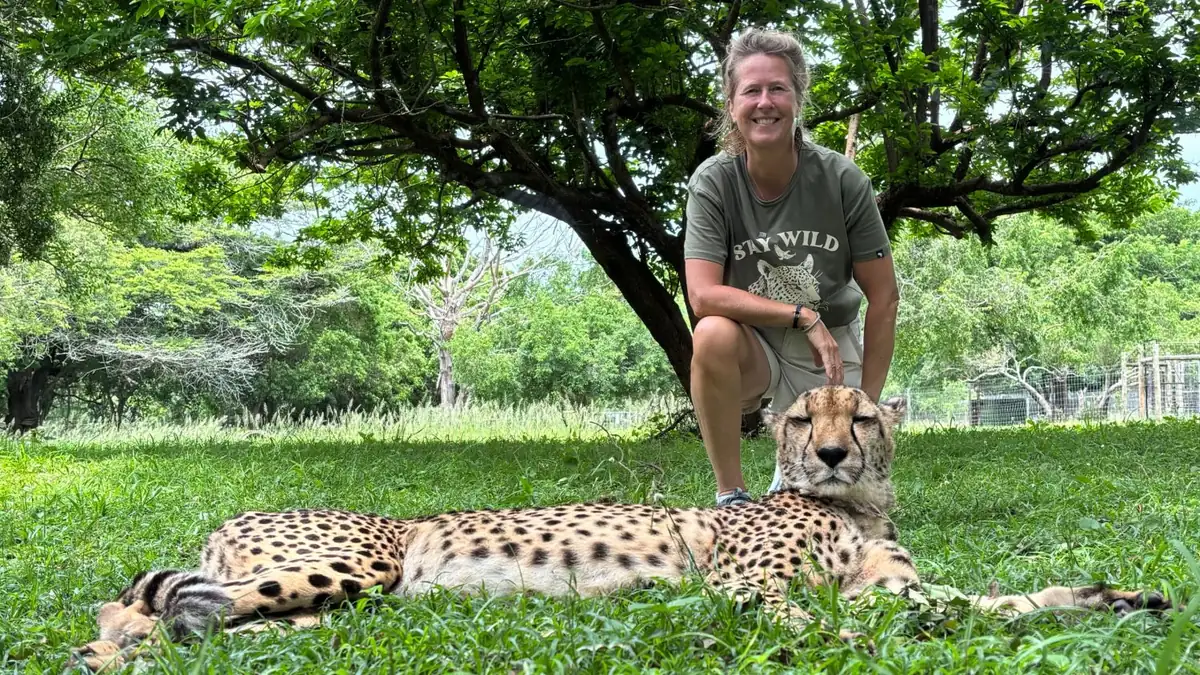
The cheetah, also known as the African hunting cat, is a remarkable animal. It is the fastest land animal in the world, capable of reaching speeds of around 100–110 km/h in short bursts. Its entire body is designed for acceleration and speed. It has a slender, lightweight frame, long legs and a flexible spine that allows it to stretch its body over enormous distances with each stride.
Its long tail acts like a rudder, helping it maintain balance and change direction while chasing prey. Unlike most other cats, its claws are only partly retractable, providing extra grip when running. And then there are those distinctive black lines running from the inner corners of its eyes down towards its mouth. These are often called tear marks and are thought to help reduce glare from the sun, rather like natural sunglasses.
Despite being such an impressive hunter, the cheetah is vulnerable. Its incredible speed can only be maintained for a short distance and hunting requires enormous amounts of energy. If a hunt fails, it has to recover before trying again. It is also less powerful than lions and leopards and can lose its prey to these larger predators.
This makes conservation efforts particularly important. Centres like Emdoneni help give these animals a better chance, not only by caring for individual cats but also by supporting breeding and the return of suitable offspring to the wild.
It was a lovely final wildlife encounter, and a reminder that protecting wildlife is just as important as enjoying the privilege of seeing it.
6. Four Days to Remember
Looking back, these four days were about much more than the animals we managed to spot.
Of course, the wildlife was at the heart of the experience. From hippos in the estuary and giraffes in the grasslands to rhinos approaching our safari vehicle, every encounter brought its own excitement.
But what made the days particularly special was the combination of everything around them.
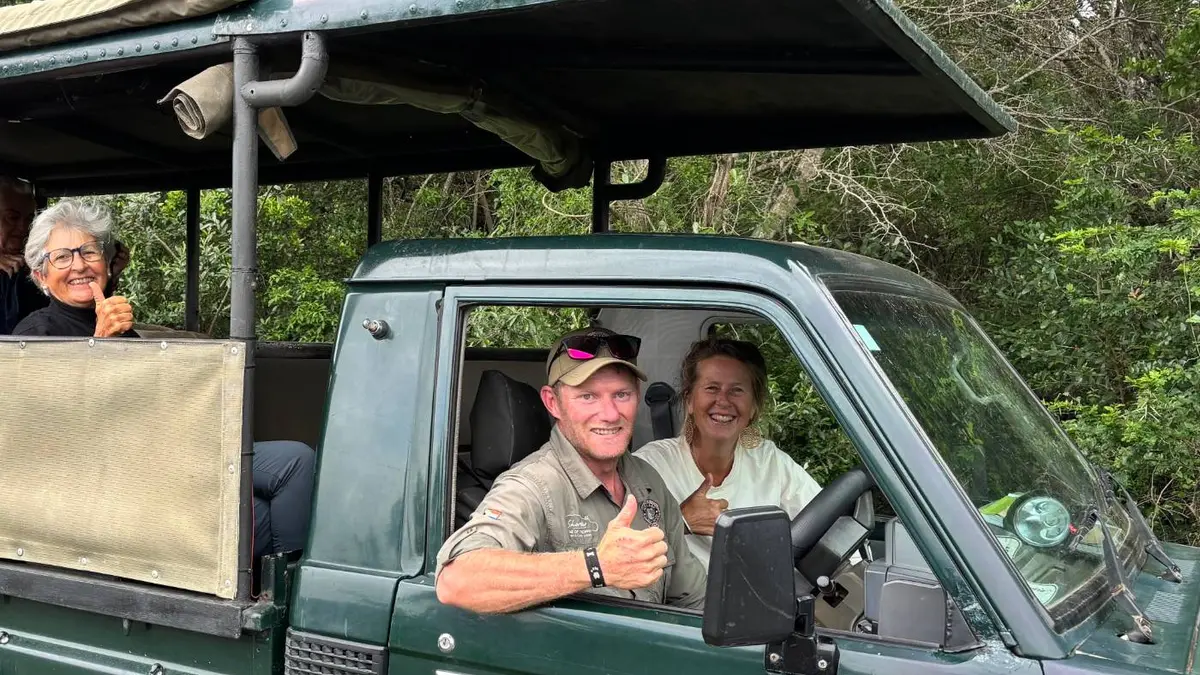
The knowledge and enthusiasm of our guides added another dimension to what we saw. Their ability to recognise tracks, identify birds, explain animal behaviour and share stories about the region helped us understand the places we were visiting. Even the smallest insect could become an interesting discovery.
The organisation by Heritage Tours & Safaris also made it easy to enjoy the experience. Transport, park arrangements, guides, breakfasts and lunches were all taken care of. We could simply concentrate on exploring, learning and enjoying the days.
And then there was our group.
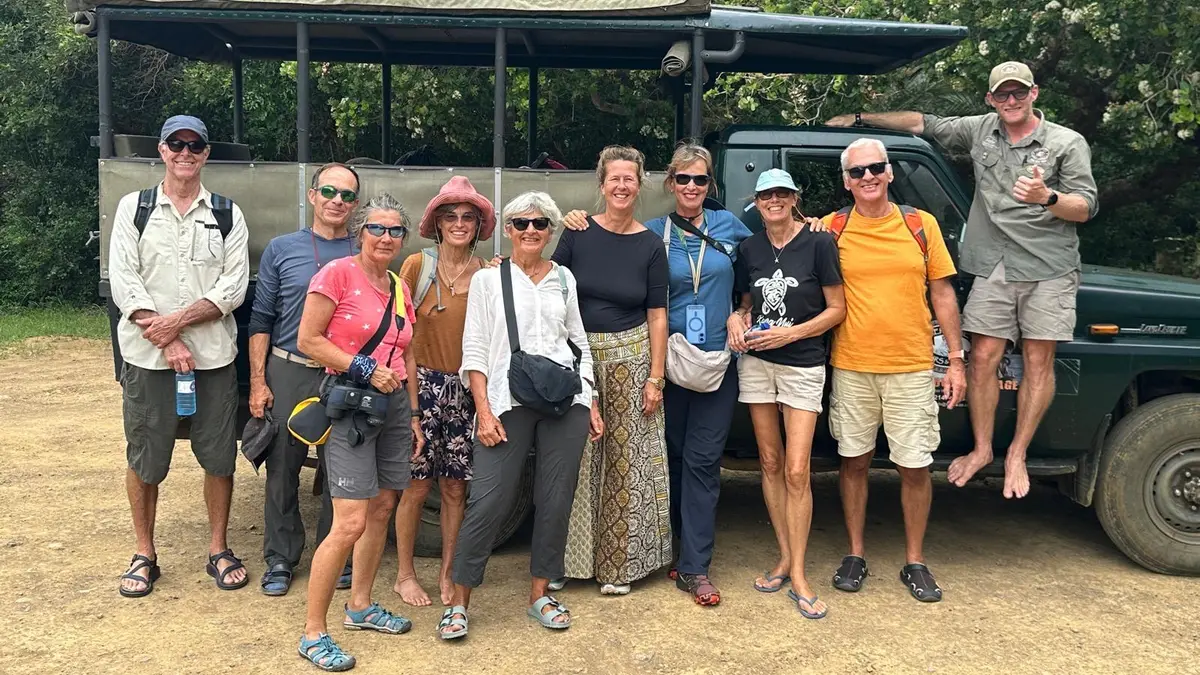
Several sailors had gathered in St Lucia, and sharing these experiences with fellow sailors made the days even more enjoyable. There is the excitement when someone spots an animal, the collective silence when wildlife comes close, and the stories and laughter during meals.
Four days in and around St Lucia gave us a wonderful introduction to the natural and cultural richness of KwaZulu-Natal.
From hippos in the estuary and rhinos in the bush to the traditions of the Zulu community and the conservation work at Emdoneni, every day offered a different perspective.
Perhaps one of the most beautiful things about spending time in nature is that the more you learn to look, the more you begin to understand how interconnected everything is.
The large animals, the tiny insects, the birds, the plants and the wetlands all play their part in maintaining the balance of this remarkable ecosystem. Nothing exists in isolation. Every species, no matter how small or seemingly insignificant, contributes to the whole. It is this intricate web of life that makes these ecosystems so remarkable, and reminds us how important it is to protect every part of them.
Shortly, a video will be posted on my YouTube channel.
Photos: Katrin Katterbach (hippo), Mike Reed (elephant), Maria Wadsworth (Emdoneni), Zululand Cat Conservation (cheetah) and Jacqueline Evers (buffalo, rhinos, giraffe).
Read more
Wild Encounters Down Under
At the wildlife sanctuary in Port Douglas I met Australia's ancient creatures, from a sleepy koala onwards, and what they taught me about myself.
Read more →
Exploring the Underwater Wonders of the Marquesas: A Diver's Paradise
I embarked on my voyage through the Marquesas, found myself captivated by the mesmerizing sealife that thrives beneath the azure waters.
Read more →
Diving in Fakarava South, Tuamotus: A Journey into Shark-Infested Waters
Diving with sharks in Fakarava in the Tuamotus in French Polynesia must be on your bucket list. Absolutely fabulous.
Read more →